
Write the decision the result must support
An analysis brief is easier to quote when it starts with a question. A buyer may need to check whether a sample is consistent with a stated mass, compare two lots by a specified chromatographic measure, or establish the amount of peptide in a powder. Give each question its own line and identify the sample to be tested. AAPPTec describes distinct analytical records for mass and chromatographic purity.
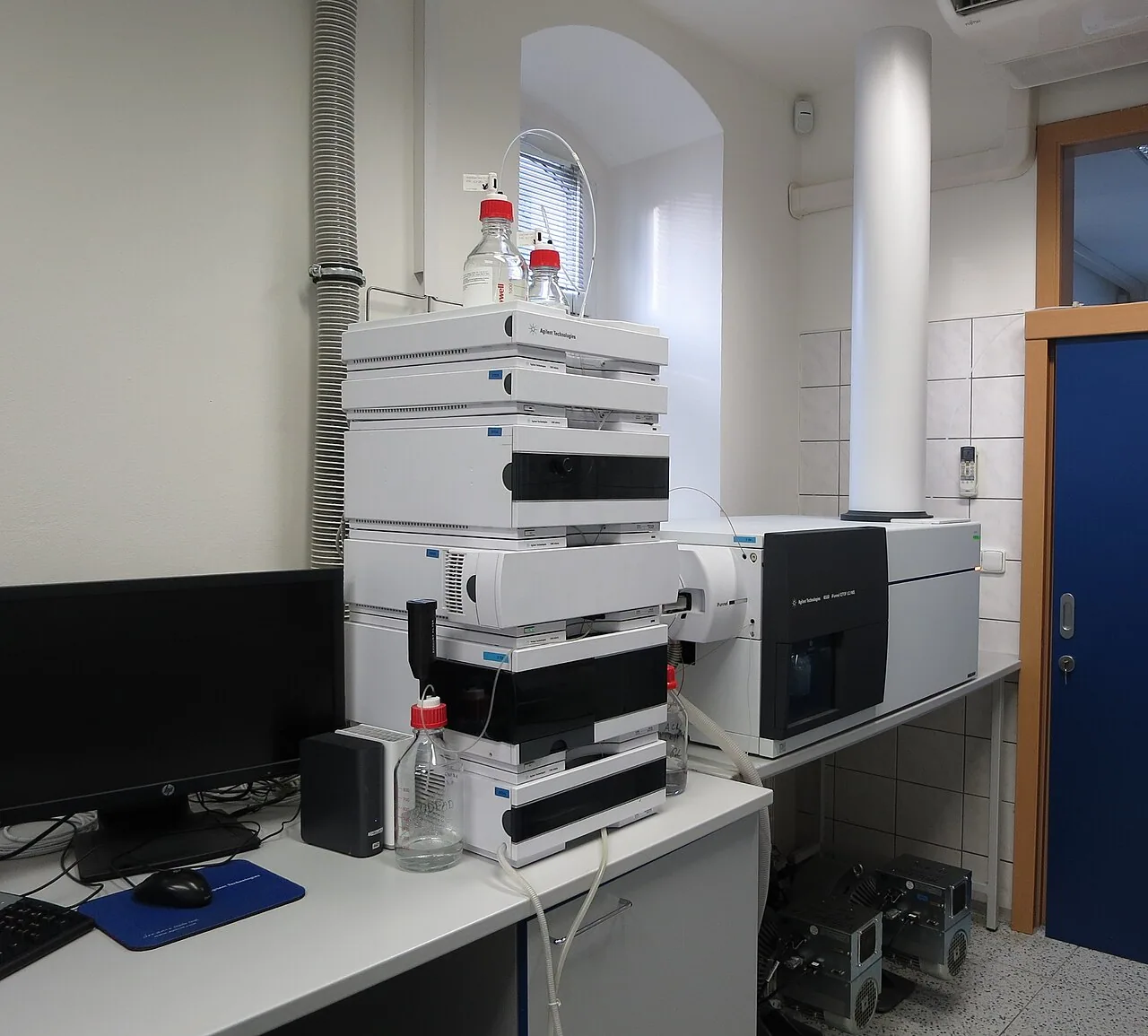

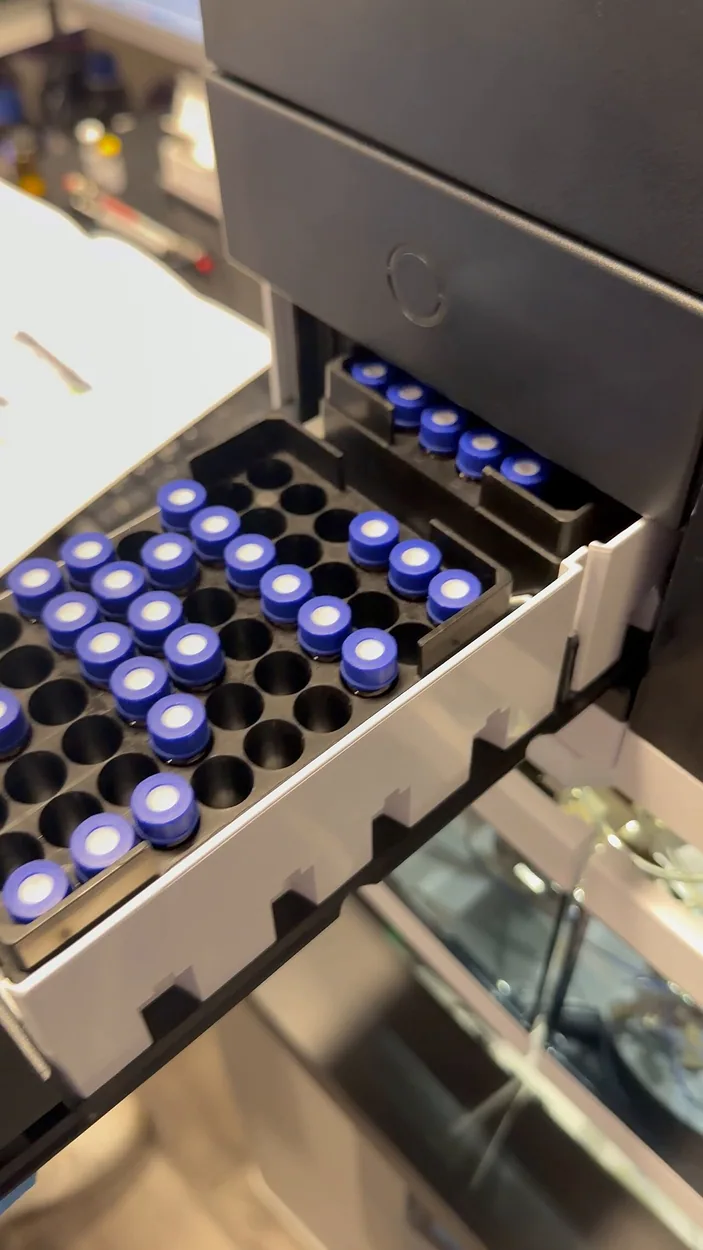

Agree what the reader will receive
Request the report title, sample identifiers, stated methods and attachments for each agreed question. If an importer only needs a signed document and the technical team needs the underlying plots, identify both recipients and their format needs before accepting the scope. Ask the laboratory to mark any question requiring a different test. Record the version of the specification it will use when attaching a pass or comparison statement.
Work backwards from a sample approval meeting
Suppose purchasing needs to choose between two cosmetic evaluation lots by Friday. Send the laboratory a table with the two lot codes and the same comparison question against each. Ask when the lab can confirm sample acceptance and when it expects to issue reviewed results. If one result will arrive later, keep that question open in the meeting record. This prevents a partial report being mistaken for a completed technical review.
Worked example
If the invoice address belongs to procurement but a quality manager must receive the signed results, list both contacts and their authority. Ask the laboratory to confirm who may submit changes to the investigation question and who receives the final report containing the sample identifiers.
Prepare your inquiry
List each buyer question with its sample and the evidence requested.