
Define the handover on both sides
Describe the material being offered, its internal sample code and the quantity available for assessment. Then name the intended output. A buyer who needs purified material returned has a different requirement from a team that needs a chromatographic assessment of an existing lot. Waters distinguishes preparative chromatography from analytical measurements. Put the requested physical return and the requested records on separate lines of the quote.


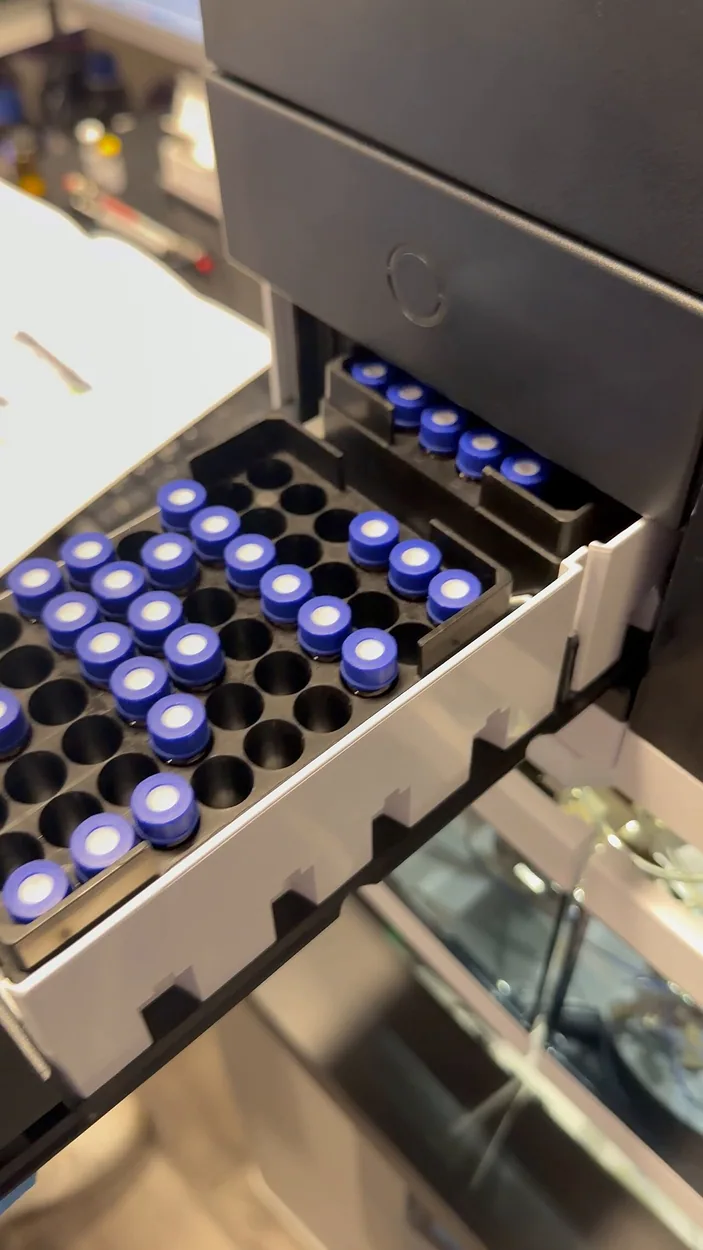

Make the reported quantity interpretable
Ask whether the returned amount will refer to total solid, net peptide or another agreed basis. Record how any reported recovery relates to the starting material and what evidence will accompany it. A percentage without the initial quantity and reporting basis leaves purchasing unable to compare offers. Bachem distinguishes chromatographic purity from peptide content in its analytical documentation, a distinction that also matters when reading a return figure.
Compare two quotes against the same deliverables
Imagine one supplier promises an analytical report while another lists a returned sample and a chromatogram. Ask each to itemize the packaging, number of returned portions, identification on each label and test files linked to the final lot. If the starting quantity still needs confirmation, mark the outcome as conditional and request a decision point after sample review. The purchasing team can then compare equivalent commitments and see which part still depends on the submitted material.
Worked example
A buyer might need to retain ownership of leftover material after the service. Ask each bidder whether remaining units will be returned, held for a specified period or otherwise accounted for under the agreement. Put the chosen disposition and shipping responsibility in the order.
Prepare your inquiry
Get separate commitments for the returned material and the accompanying evidence.