
Choose the format for the actual review
A signed PDF can record the issuer’s conclusion while a table lets purchasing compare like measurements across deliveries. A chromatogram image shows the plotted result but may omit the peak table or sample metadata. Name the required formats before work starts and ask which ones the laboratory can release. If specialist software is needed to open a native data file, identify the reader who will use it.
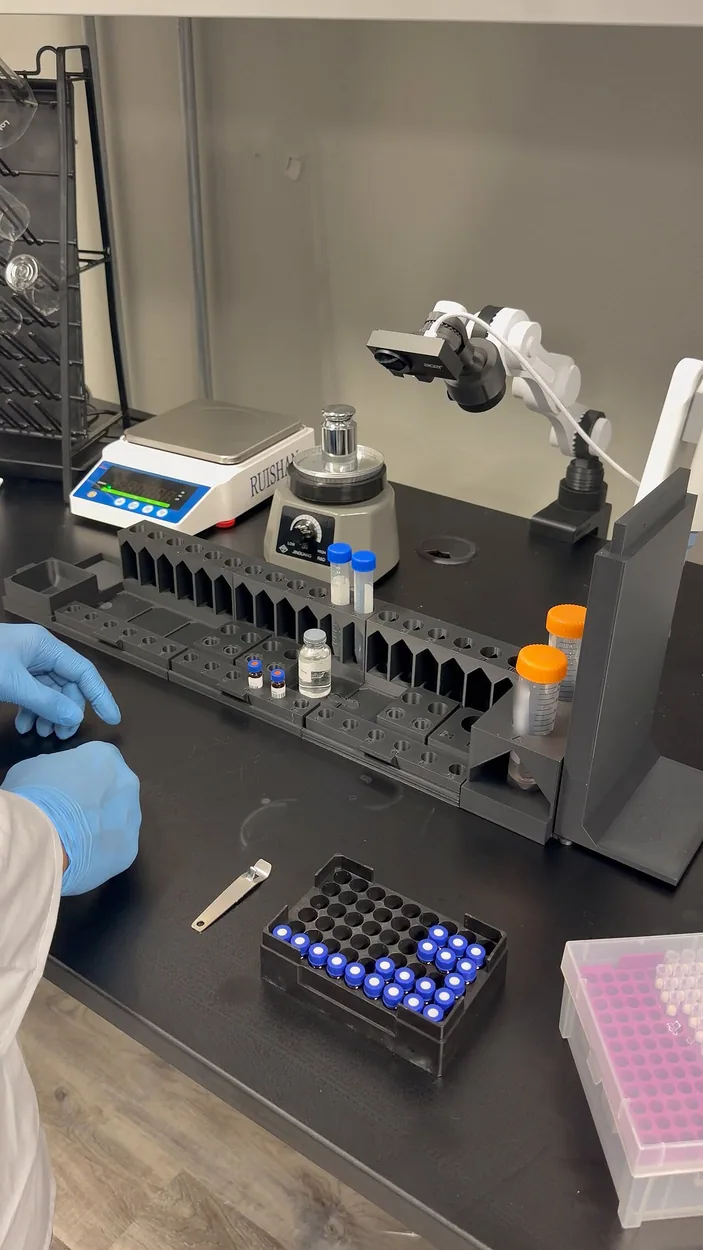


Keep the revision trail legible
Ask the issuer to identify an amended report by its original number, new revision and reason for issue. Record which lot and attachment the change affects. A correction to a transcription error has different implications from a new test on a different sample. Preserve both files and note which one is current so a receiving colleague can follow the decision after the order is complete.
Test the handover from a second reader’s perspective
Give a colleague the file package and one concrete question, such as the chromatographic result for a named lot. Can they locate the correct certificate, associated trace and matching table without searching private email threads? If a spreadsheet and PDF give different figures, send the issuer both filenames and the affected row. Request a clearly identified correction or explanation before copying a figure into an internal supplier comparison.
Worked example
If a laboratory sends a replacement spreadsheet but leaves the signed PDF unchanged, ask which file now controls the reported value. Save a dated response identifying the affected field and governing revision. This prevents the buyer from distributing two contradictory versions as equally current.
Prepare your inquiry
A complete handover lets an independent reader trace a result to its current source file.