
Read the denominator of each result
HPLC area percentage describes the share of the integrated chromatographic signal assigned to a peak under the reported method. Net peptide content expresses a different relationship between the peptide material and the supplied solid. Bachem explains that moisture and counterions can contribute to a powder’s weight. A buyer estimating material for an evaluation should identify the applicable content or assay result and the basis given by the issuer.
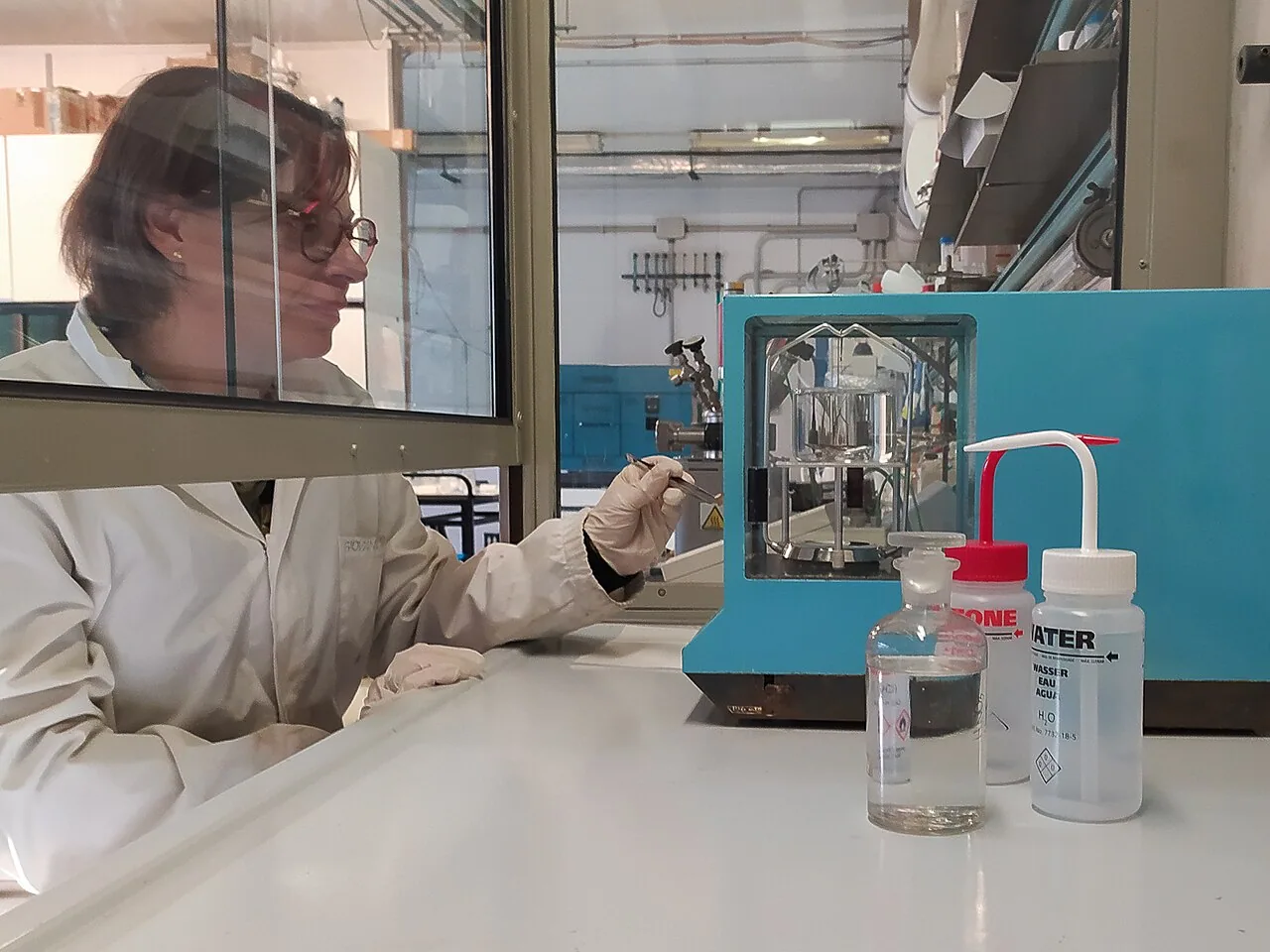
Image credits
Giovanna Canu, Francesca Cirisano, Sofia Gambaro, CNR-ICMATE · Image source · CC BY 4.0 · Converted to WebP.


Use the right value for the order
Put gross quantity, stated content and chromatographic purity in separate fields. Record the exact lot and units beside each value. If the supplier quotes an amount per container, ask whether the amount refers to gross powder, total peptide or a specifically defined target amount. Where content is absent from the report, request a supported figure before using the purchase line in a quantity calculation.
Trace a label claim without inventing a conversion
A vial labelled with a nominal weight and a certificate listing only a main-peak area percentage do not tell you how much of the vial is attributable to the target on a stated mass basis. Send the exact label wording to the provider. Ask whether the weight is determined or nominal, which lot-specific test supports the quantity claim and how it relates to the supplied form. Keep the resulting clarification with the quotation.
Worked example
A quotation can promise a minimum chromatographic purity and still leave a net-content field marked “on request.” Ask whether that request is included in the service price and how its result will be reported. Decide whether a separate line is needed before placing the order.
Prepare your inquiry
Keep chromatographic purity, amount and reporting basis distinct in purchase records.