
Distinguish the plotted ion from the calculated mass
An instrument spectrum may label peaks by mass-to-charge value, while a summary gives a reconstructed neutral mass. The two numbers can differ even when both describe the proposed material. Ask the laboratory to label the charge assignment, mass convention and expected value used for comparison. Agilent’s deconvolution documentation illustrates how processing turns a spectrum containing charged ions into a separate mass display.
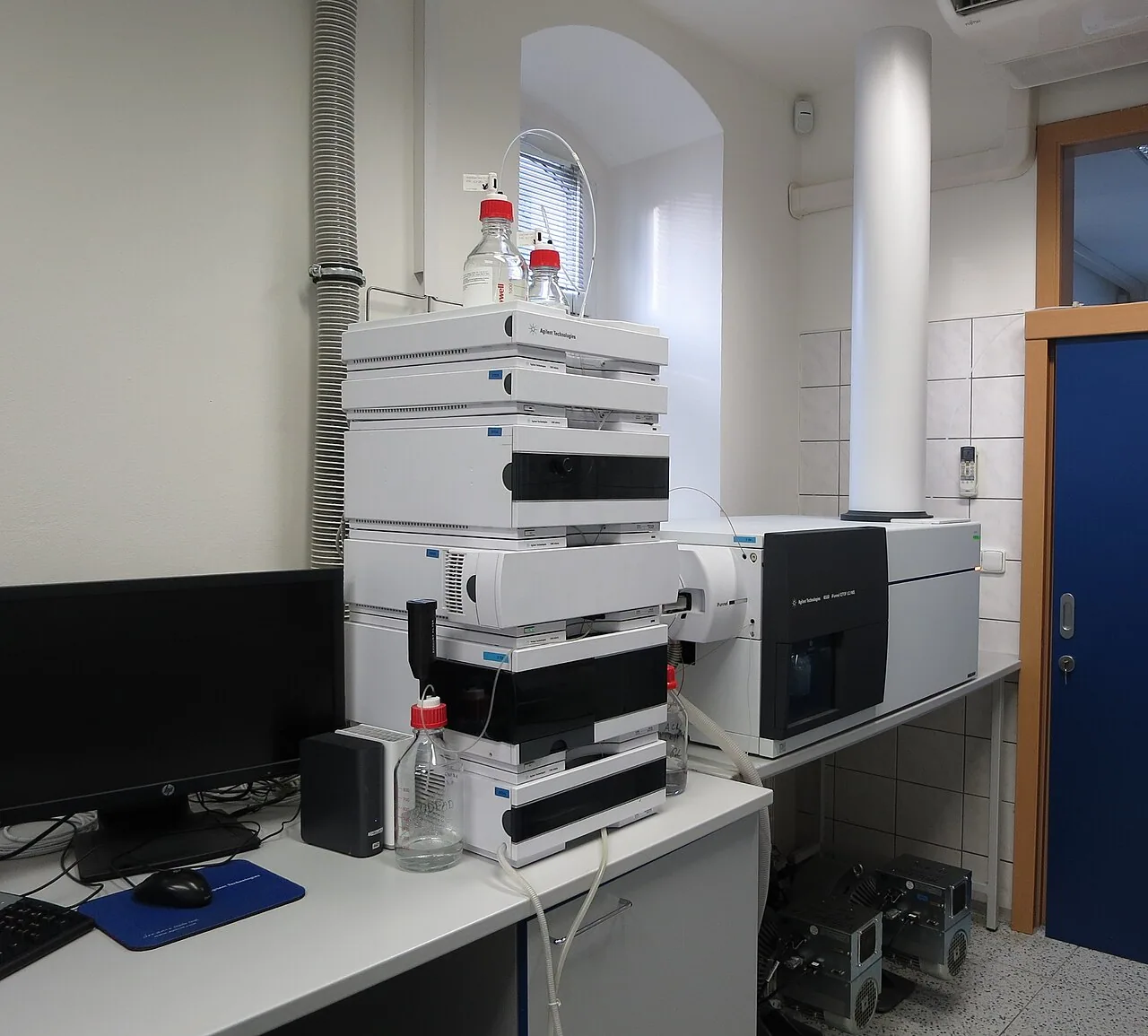

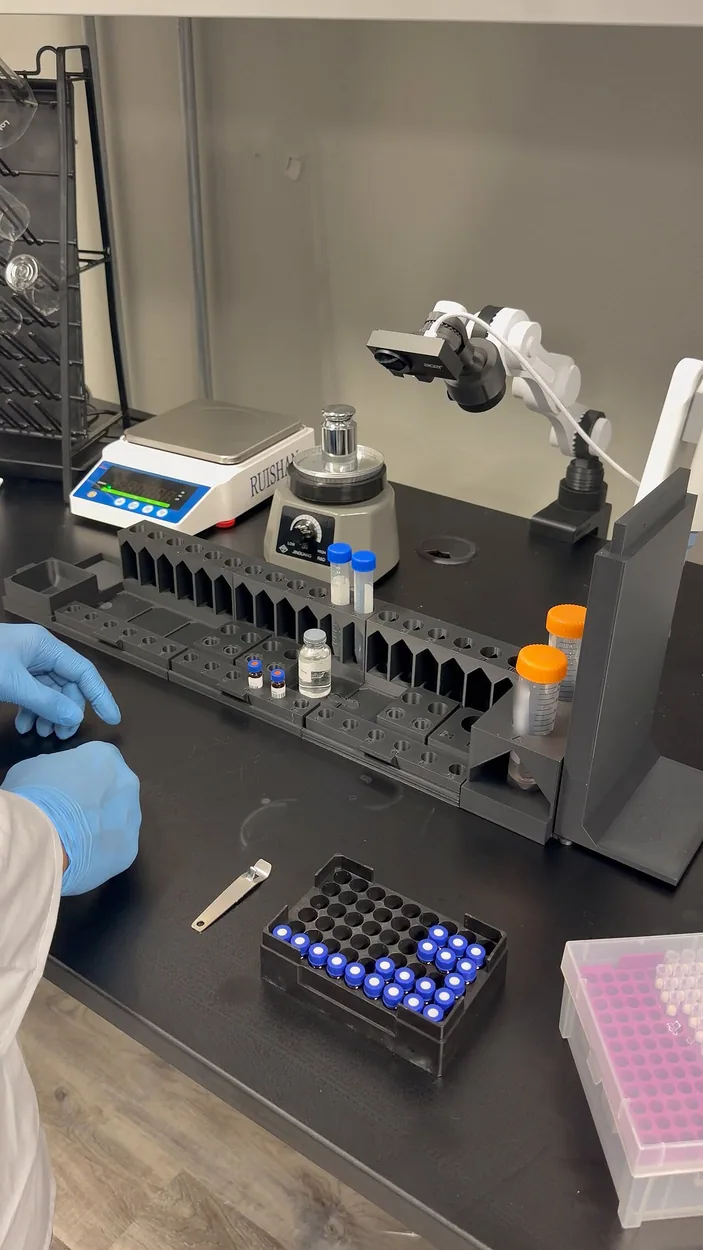

Ask what conclusion the evidence supports
A reported mass consistent with the proposed material answers a narrower question than complete structural confirmation. Two candidates with the same mass may remain possible. If the procurement decision depends on distinguishing such candidates, identify that uncertainty in the inquiry and ask what independent evidence is available. Keep the stated conclusion, sample code and instrument report together so an internal summary preserves the scope of the analysis.
Read an unlabeled spectrum alongside the certificate
Imagine the certificate lists an expected neutral mass, but its attached screenshot contains only several unlabeled peaks. Ask for the sample-linked spectrum with its axes, the laboratory’s assigned ion or processed mass and the value compared with the expectation. Record who made the assignment and the report revision. This allows another reviewer to follow the comparison without guessing which peak was selected or interpreting a printed molecular weight as a measurement.
Worked example
A report can identify a numbered sample while the purchase order uses a commercial product code. Request the laboratory accession cross-reference and the associated submission record. Have the report reviewer confirm the link before attaching a mass-spectrum figure to the buyer’s commercial product file.
Prepare your inquiry
Ask for the assignment linking the spectrum to the reported mass.