


What to include in a peptide purification service quotation
Compare starting material, returned lots, recovery basis and analytical deliverables before choosing a purification quotation.

Purity by peak area, measured mass and net peptide content describe different properties. Choose the question below to see what to look for on the report.
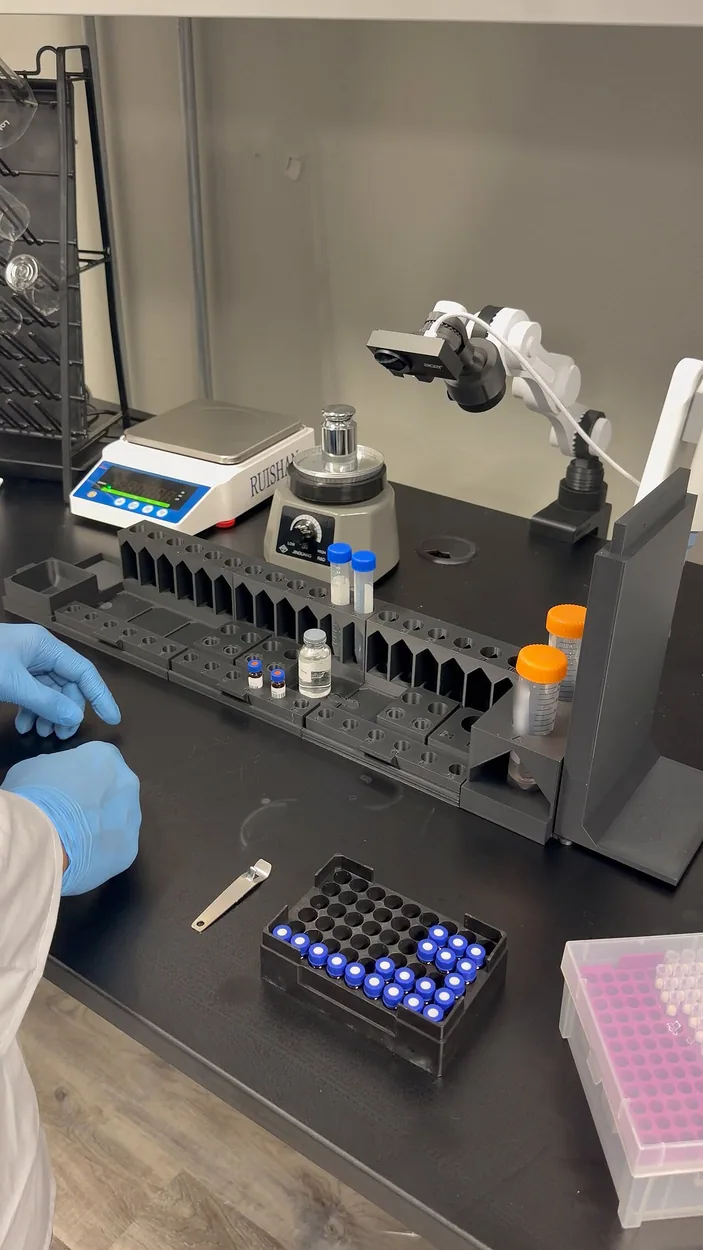
Compare starting material, returned lots, recovery basis and analytical deliverables before choosing a purification quotation.
Turn identity, purity and quantity questions into an analysis request with a defined report and a named sample.
Find the integration basis, peak assignments and sample identifiers behind a reported HPLC area percentage.
Interpret reported ion values, expected mass and the laboratory’s identity conclusion in a buyer review.
Compare chromatographic area, net peptide content and total supplied powder before interpreting a supplier claim.
Read reporting limits, qualifiers and unknown-peak labels before comparing impurity statements.
Follow a batch number from the label to a signed certificate, chromatogram and spectrum.
Identify differences in sample identity, methods and reporting bases before evaluating two laboratories’ conclusions.
Identify reference material lot, assigned property and applicable certificate when assessing a laboratory comparison.
Agree plots, tables, file formats, revisions and the disposition of superseded reports.
Verify the organisation, location and scope supporting a proposed accredited report before assigning a purchase order.
Agree the specification, decision rule and reporting wording when a buyer requests a formal statement of conformity.
No matching guides. Try a different word.