HPLC peak tablesLC–MS identity reportsLot-specific certificates
Home / Submitting samples for peptide analysis

Submitting samples for peptide analysis

Before sending peptide samples to a laboratory, prepare a submission record that connects the physical labels, the requested tests and the person authorized to receive the report.

Match each container to a request

List the sample ID, supplier lot, container count and requested test. Two vials from one lot might be separate submissions or a sample plus a reserve. State which applies so the laboratory can quote and register them correctly.

Confirm acceptance before dispatch

Ask the receiving laboratory to confirm the required amount, acceptable packaging, delivery address and receiving hours for this order. Record its reference number and whether turnaround starts at delivery or after intake review.
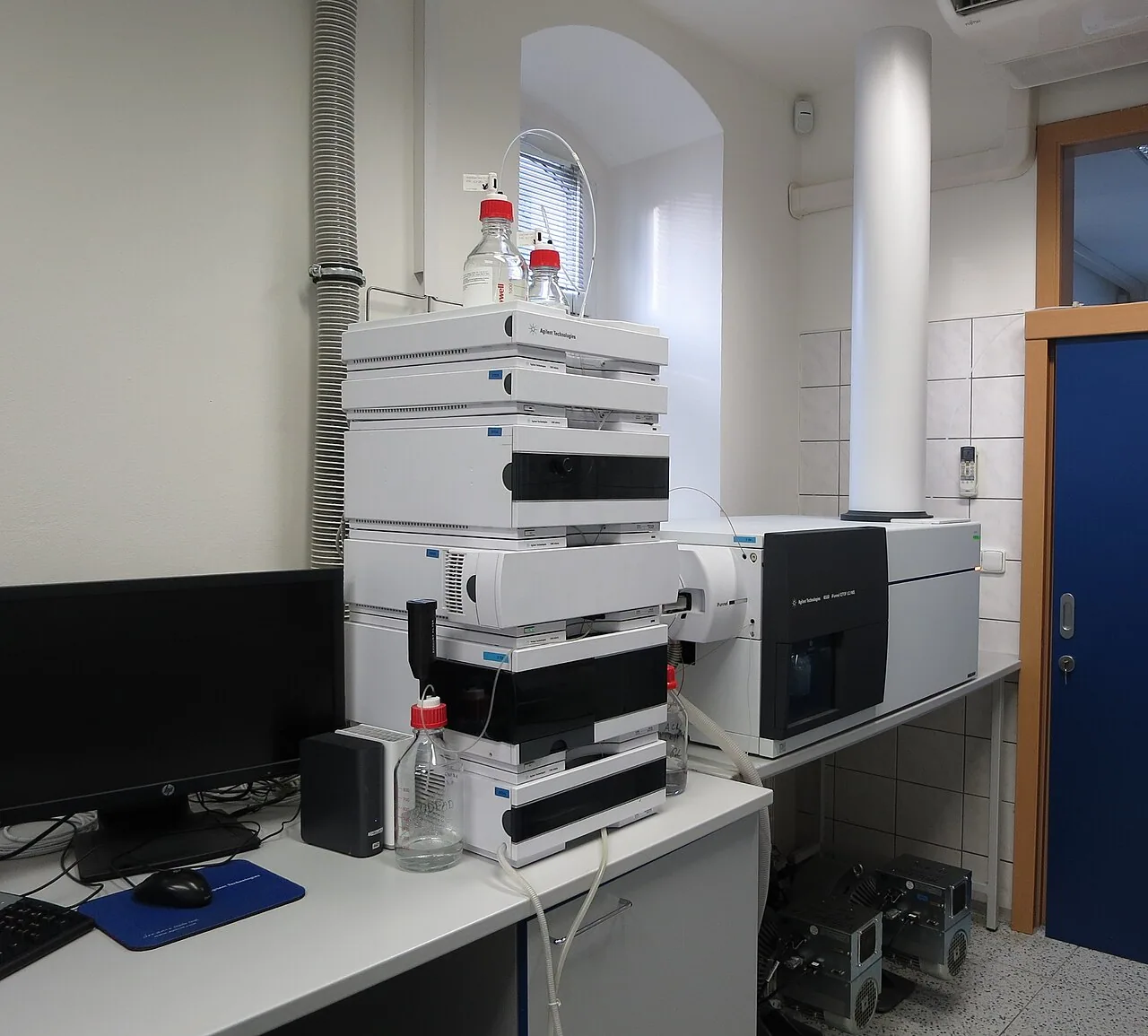
A liquid chromatography instrument and a separate mass spectrometer share a laboratory work area.
Chromatography and mass spectrometry instrumentationThe reference instrument photograph gives context for the identity report requested from the actual testing laboratory.
Image creditsSarka Na kopci · Image source · CC BY-SA 4.0 · Converted to WebP.
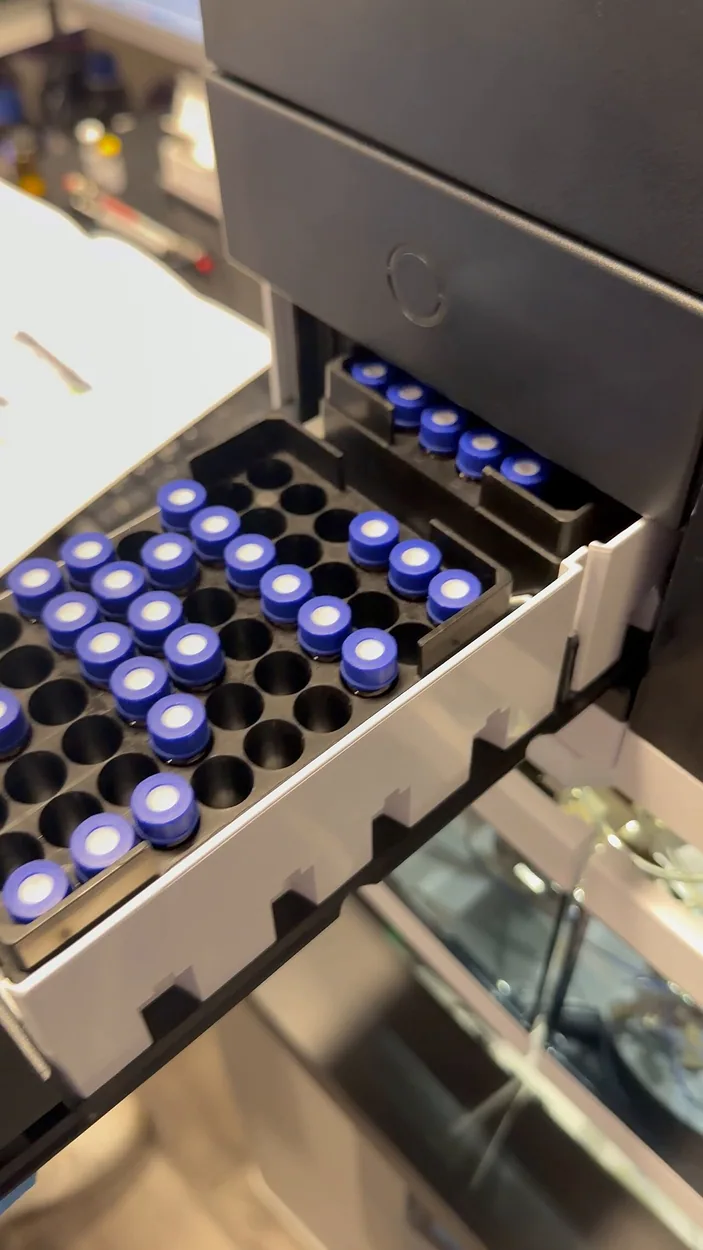
A drawer in an autosampler holds a tray of capped sample vials.
Vials in a numbered trayA tray position and a vial identifier identify two different fields in a laboratory manifest.
Image creditsGold Standard Analytics LLC · Image source · CC BY-SA 4.0 · Converted to WebP.

Check the receipt against the shipment

Compare the returned receipt with your own container list. If an ID differs, ask the laboratory to reconcile the discrepancy before reporting. Agree in advance whether remaining material should be returned, retained or discarded.

Reference · Rajiv Gandhi Centre for Biotechnology

Inquiry

Certificates of analysis

For lyophilized peptide powders, match the material name, lot and report number before comparing the COA with the chromatogram and mass report.

Read a COA